We're Phoenix-based and run regular California commercial projects from the Bay Area to San Diego. Travel, lodging, and lift logistics are built into every proposal — no surprise line items.
Lift work, fall protection, and food-facility entry procedures meet Cal/OSHA standards. We've worked enough California sites to know the paperwork and the site-access rules.
California's commercial bird pressure is unlike anywhere else in the country. Coastal industrial sites from Long Beach to Oakland deal with Western and California gulls roosting on dock canopies, conveyor housings, and warehouse rooflines. Common ravens have become a serious problem at coastal logistics and solar facilities — they're large, intelligent, and persistent. Inland, the Central Valley's ag warehousing and food-processing footprint draws rock pigeons, house sparrows, and Brewer's blackbirds in flock sizes that smaller exclusion programs can't handle. Yellow-billed magpies show up at vineyard and orchard support facilities.
Rid-A-Bird is Phoenix-based with 35+ years of commercial bird exclusion experience. California is a regular market for us — we mobilize crews and lift equipment from Arizona for assessments and installations across the Bay Area, Central Valley, LA Metro, Inland Empire, Orange County, and San Diego. Most projects are scoped on a single site walk with travel costs built into the proposal so you see the full number upfront.
Port dock canopies and conveyor structures at LA, Long Beach, and Oakland. Food-processing plant exteriors and dock-leveler pits across the Central Valley. Tech-campus parking structures, courtyards, and rooftop mechanical wells in the Bay Area. Big-box DC loading docks and high-bay interiors inland from the I-5 and I-10 corridors. Winery production facility exteriors and barrel-storage warehouses. Retail HQ courtyards and outdoor dining canopies. The species changes — the failure mode (contaminated product, slip hazards, OSHA exposure, roof degradation, regulator complaints) does not.
Heavy-duty exclusion netting for port conveyor housings, dock canopies, and warehouse openings at Long Beach, LA, and Oakland — engineered for coastal wind and salt exposure.
Stainless steel spikes, tensioned wire systems, and full exclusion netting sized for Western gulls, California gulls, and common ravens — birds far larger than the pigeon defaults most spike products are designed for.
CDFA-conscious exclusion for food-processing plants, packing houses, and cold storage — exterior dock-leveler screening, rafter netting inside production halls, and AIB-audit-ready remediation.
Lift work, fall protection, scaffolding, and droppings remediation performed to Cal/OSHA standards. Site-specific safety plans submitted before mobilization where required.
Perimeter mesh screening under rooftop and carport solar arrays — the warm undersides are prime nesting real estate for pigeons and sparrows at California commercial and logistics sites.
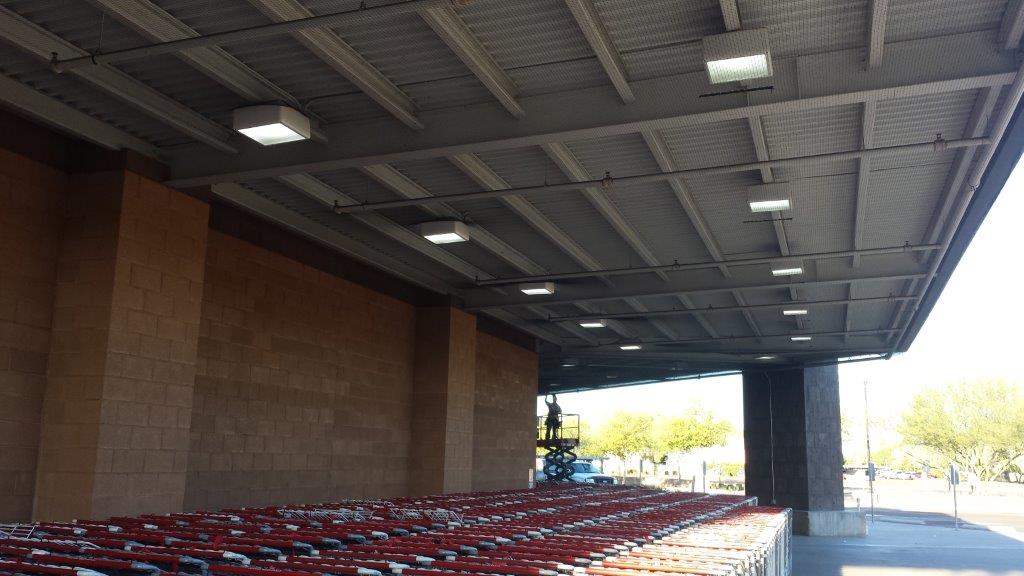
Floor-to-canopy netting on truck-dock openings at DCs across the Inland Empire, Central Valley, and Bay Area logistics corridors. Keeps birds out of receiving and high-bay interiors.